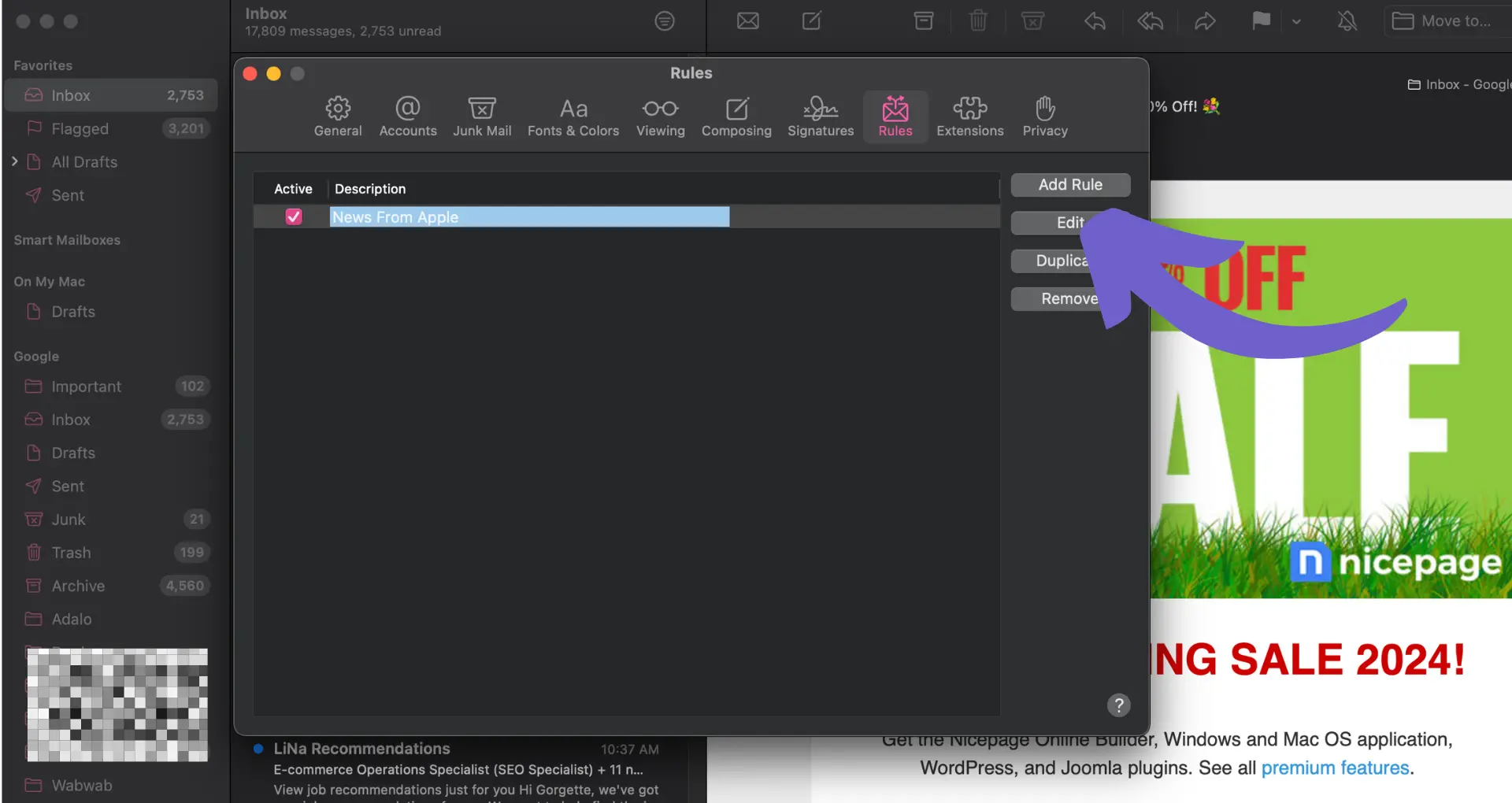
Forward emails to HubSpot by setting up a hosted email address and configuring your email provider.
By the way, we're Bardeen, we build a free AI Agent for doing repetitive tasks.
Since you're managing email forwarding, you might love Bardeen's automated workflows for sales. It simplifies email forwarding to HubSpot and keeps your CRM updated effortlessly.
Forwarding emails to HubSpot is a powerful way to centralize customer communications and streamline your team's workflow. In this step-by-step guide, we'll walk you through the process of setting up email forwarding from your provider to HubSpot's CRM platform. We'll also cover how to manage incoming emails effectively and troubleshoot common issues that may arise.
To get started with forwarding emails to HubSpot, you'll first need to set up a hosted email address within the CRM platform. Here's how:

Next, you can customize how your from name and from address will appear to contacts receiving emails from you. Options for the from name include:
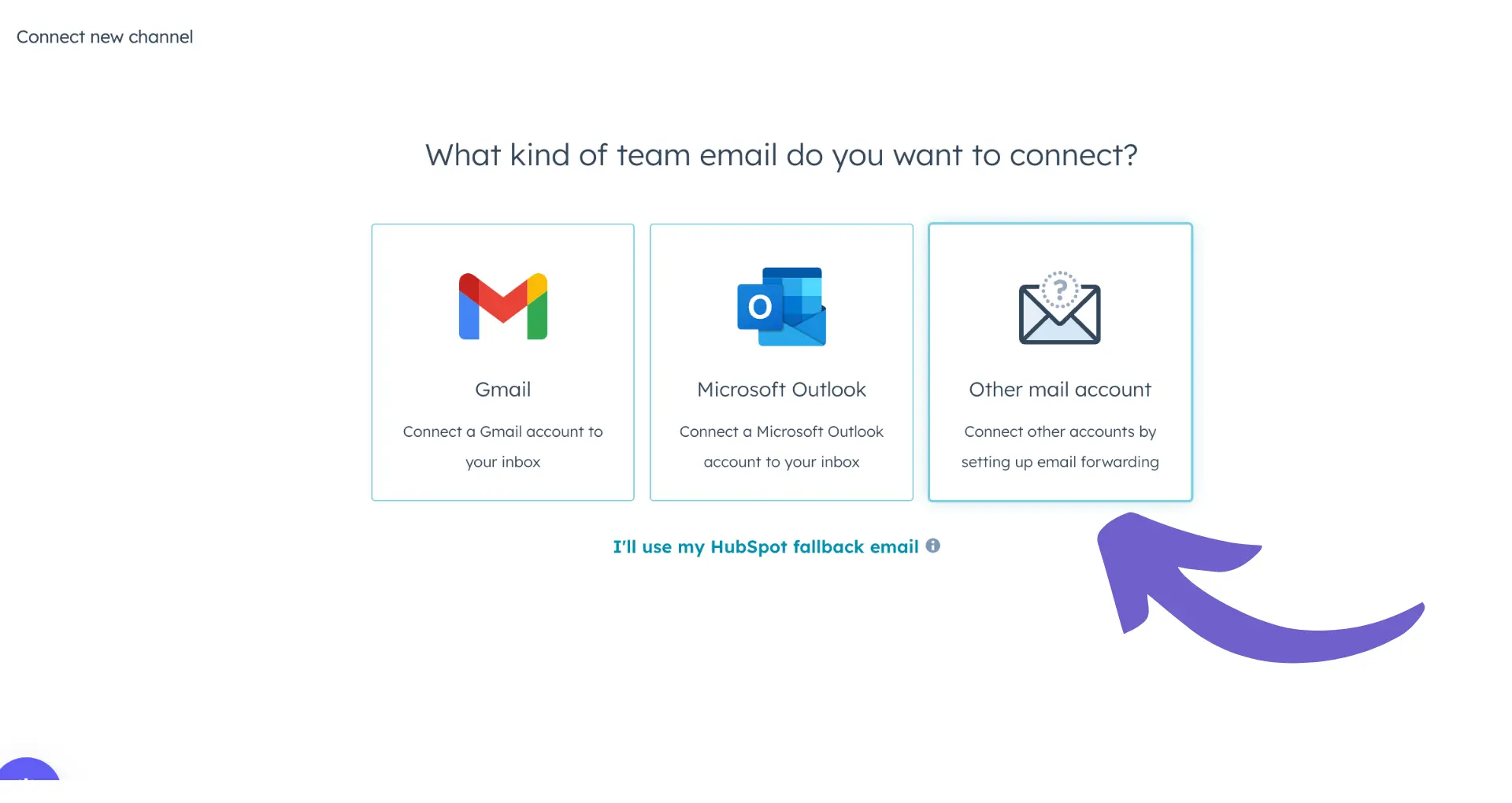
For the from address, you can either use the default HubSpot address or customize it to match your domain. If you choose to customize, you may need to verify domain access.
You also have the option to include a team email signature, which can be personalized with the sender's name using tokens. Once you've configured these settings, you'll be provided with a unique forwarding address to add to your email provider's settings, completing the setup process.
To enable email forwarding from your email provider to HubSpot, you'll need to add the unique HubSpot forwarding address provided during setup. Here's how to do it for some popular email providers:
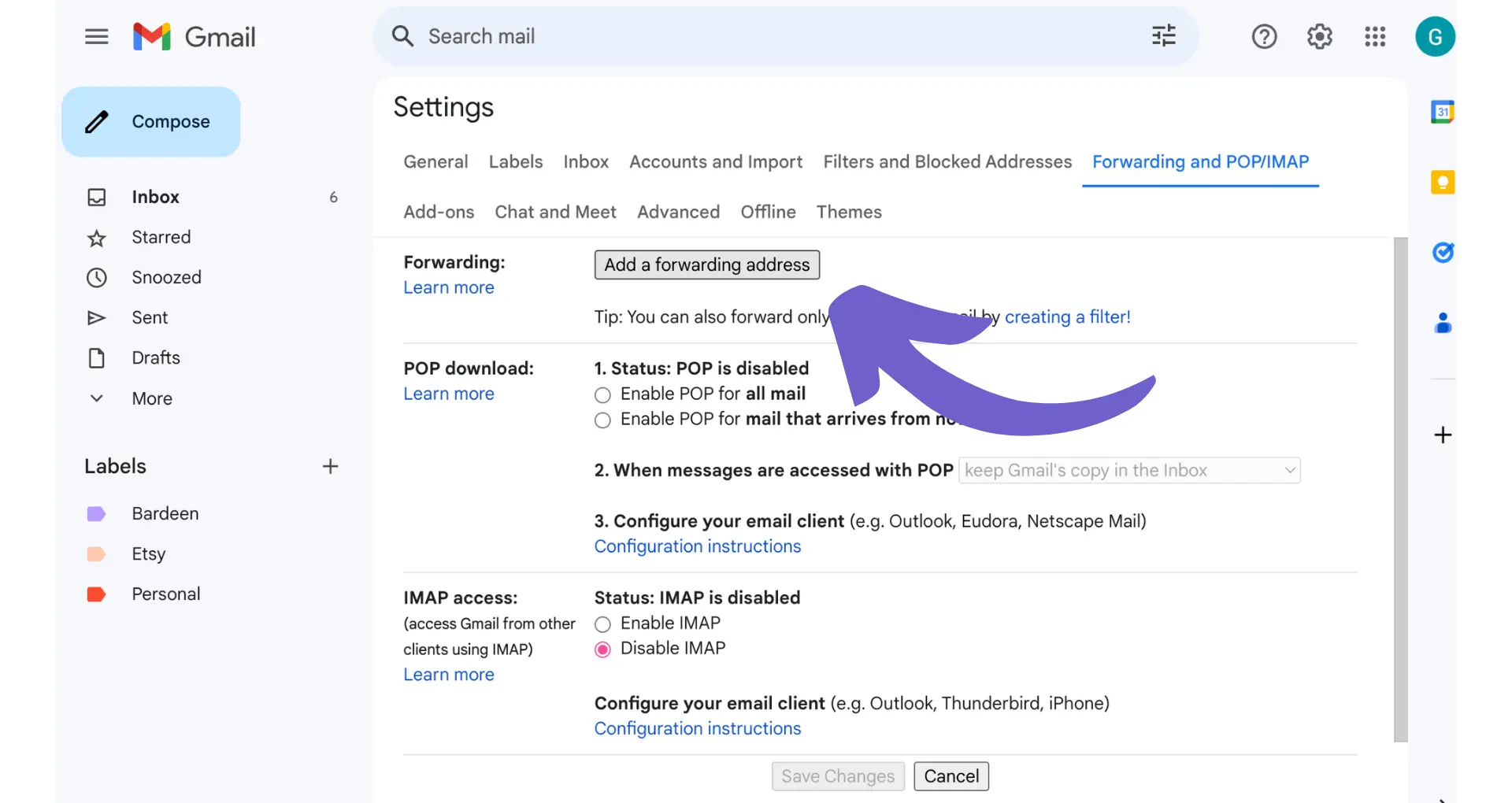
Once you've added the forwarding address, any emails sent to your connected inbox will automatically be logged in HubSpot's CRM, associated with the right contact records. You're now set up to manage all your customer communications within HubSpot.
Bardeen can help automate this process. Try Bardeen's workflows to forward emails to HubSpot effortlessly.
HubSpot's Conversations Inbox is a powerful tool for managing and routing incoming emails. Here's how to make the most of it:
Conversation routing rules allow you to automatically assign incoming emails to the right team members based on criteria like contact owner, email subject line, or message content. To set up routing rules:
Ticket properties help you track key info and prioritize incoming emails. Customize them by:
Using routing rules and custom properties, you can efficiently triage and assign incoming emails, ensuring timely responses and a great customer experience. It's a core benefit of managing email communications within HubSpot's CRM platform.
While email forwarding to HubSpot is a great way to log communications, you may occasionally run into issues. Here are some common problems and solutions:
If your emails aren't showing up in HubSpot, check these requirements:
Also ensure your email server allows external forwarding and your email client is compatible with HubSpot's forwarding feature.
If forwarded emails are logging under the wrong contact or company, verify:
By working through these common problems, you can get email forwarding working smoothly to keep all communications logged in HubSpot.
Save time and reduce errors with Bardeen's automated workflows. Automate email forwarding to HubSpot with just a click.










SOC 2 Type II, GDPR and CASA Tier 2 and 3 certified — so you can automate with confidence at any scale.